Kokuta Suda (1906-1990)
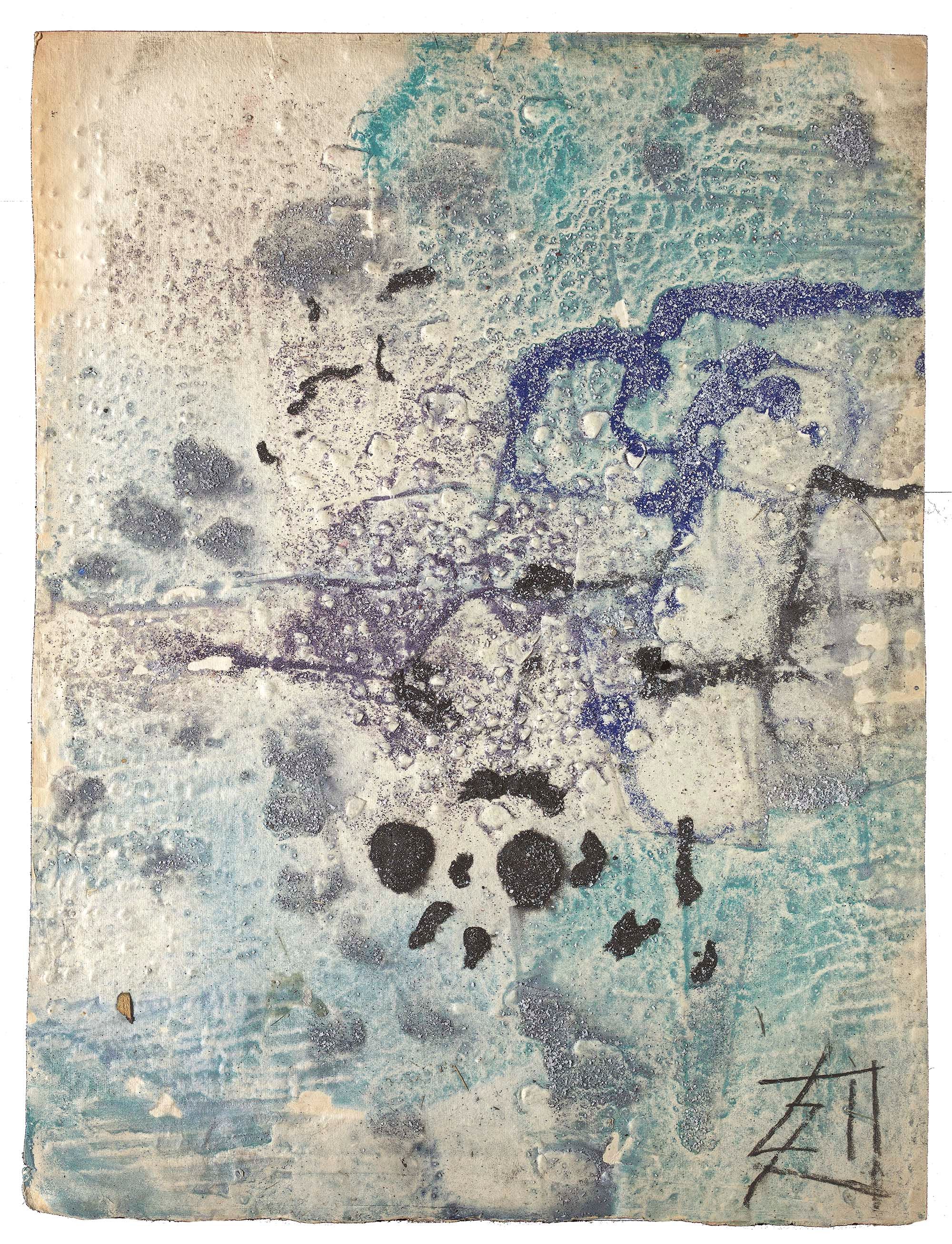
Untitled
Mixed media on paper
Signed Koku to lower right
H. 38cm x W. 28cm (15” x 11¼”) approx.
Provenance: Private collection, Osaka, Japan
Suda Kokuta (1906-1990) was one of the major abstract artists in post-war Japan, who produced various experimental works deeply rooted in Zen philosophy. He is also known for his distinctive figurative painting from the early period as well as calligraphy characterised by vigorous, dynamic brushwork.
Born in Saitama prefecture Japan, Suda started his career as a figurative painter in an individualistic drawing style with a particular emphasis on the line, the most fundamental visual element in all art. While exhibiting at major group exhibitions from 1933 and enjoying success as an artist, he is also known to have studied Zen philosophy intensely. Buddhism is to continuously inspire the artist throughout his life. In 1941, he moved to the ancient capital of Nara and lived in the quarters of Shinyakushi-ji and Todai-ji temples where he spent six years painting the Buddhist sculptures treasured there.
In 1949, he met Hasegawa Saburo (1906-1957), one of the pioneers of Japanese abstract painting, who had a profound knowledge of traditional Eastern philosophy. Meeting with Hasegawa, Suda realised the essence of Zen is abstract and shifted his artistic style from representational to abstract. For the next 20 years, he continued to experiment with various mediums and styles, producing abstract painting with a tactile quality and complex texture, to express the profound universe of its philosophy.
In 1955, Suda was invited by Yoshihara Jiro (1905-1972) to join the new avant-garde group Gutai but he chose not to, preferring to stay independent in his own creative process. Yet he actively engaged with other avant-garde artists based in the Kansai region including Yoshihara and Morita Shiryu (1912-1998). In addition to regular solo and group exhibitions in Japan, from the late 1950s he started to exhibit overseas including: the 4th Sao Paulo Biennale in 1957, the 11th Plemio Resonne International Art Exhibition of Italy and Houston USA in 1959, and then the 1961 Carnegie International Exhibition, Pittsburgh USA.
In the 1970s, Suda returned to figurative representation but this time a trace of abstraction remained on his canvas. He enjoyed to mix both styles, finding that abstract and representational paintings were not something contradictory. By this time, he was also practicing calligraphy and expressed philosophical words in ink with dynamic lines full of vitality. His obsession for the quality of the line, his talent as a painter and his strong spirituality soon brought him recognition as an outstanding calligrapher. The eminent avant-garde calligrapher Inoue Yuichi (1916-1985) likened Suda to the old masters Hakuin (1685-1768) and Tessai (1836-1924), both renowned as calligraphers as well as painters.
Throughout his life, he pursued his own art, continuously achieving breakthroughs in his creations. His studio was a spiritual battle field for Suda as his painting process was intensely demanding both mentally and physically – since encountering with Zen Buddhism, he sought to embody its deep, universal philosophy and spiritual freedom onto the canvas. As such, his work seems to have enduring, magnetic power which transcends time and space and continues to resonate with us today.
Works on paper

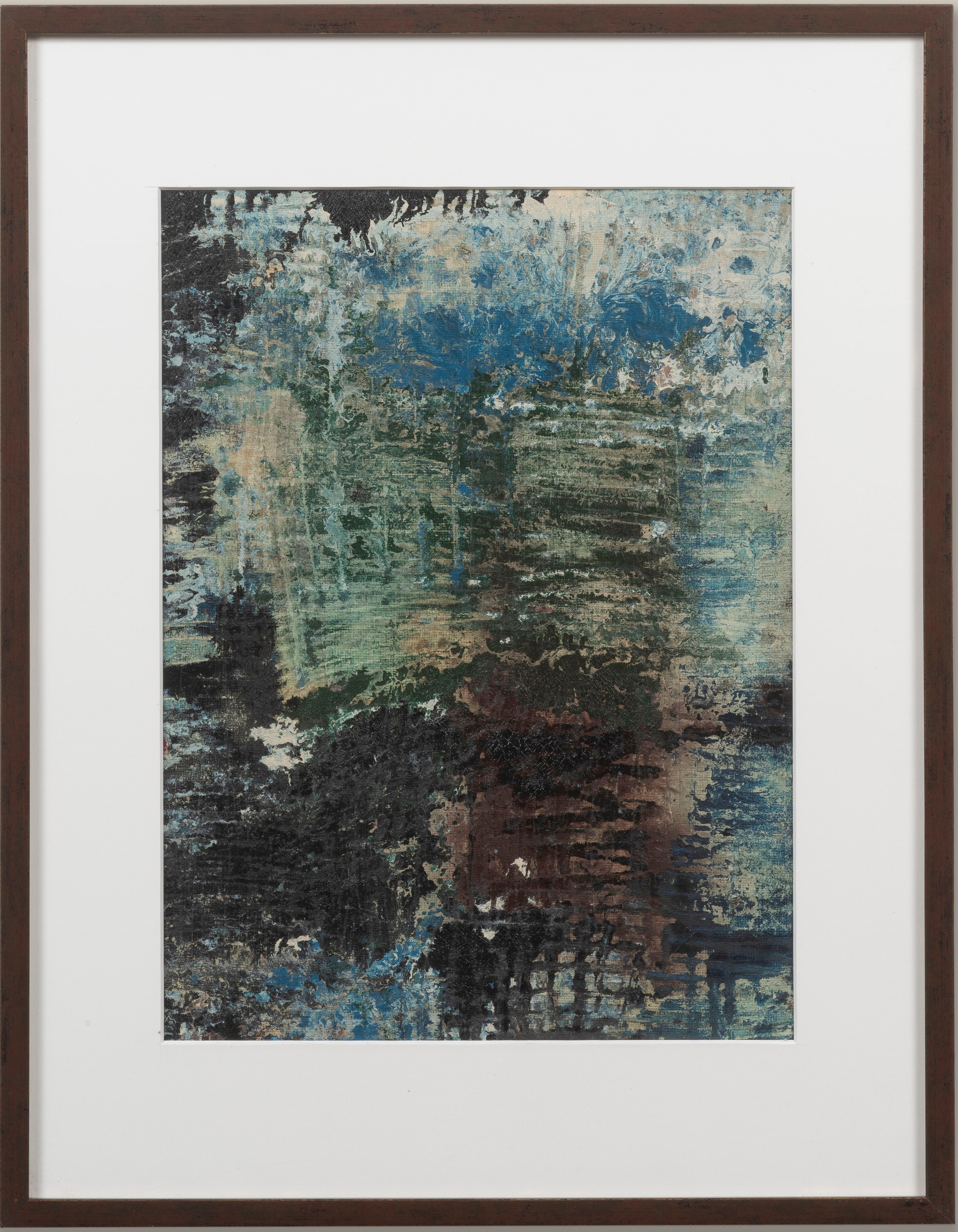
Work on paper by Suda Kokuta

Work on paper by Suda Kokuta


Work on paper by Suda Kokuta


FAINT by Shinoda Toko


Work on paper by Suda Kokuta

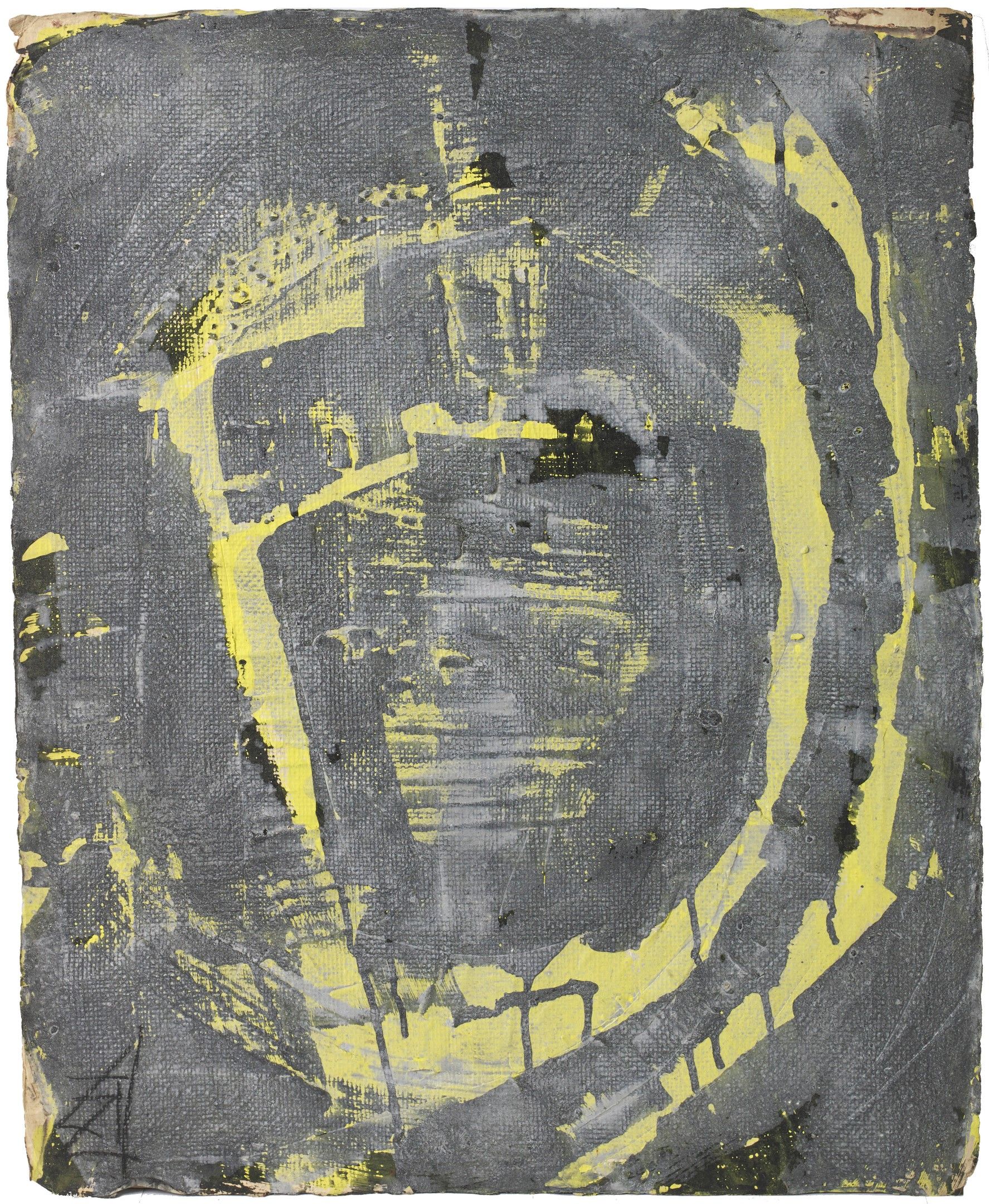
Work on paper by Suda Kokuta


Work on paper by Suda Kokuta


Work on paper by Suda Kokuta


Work on paper by Suda Kokuta

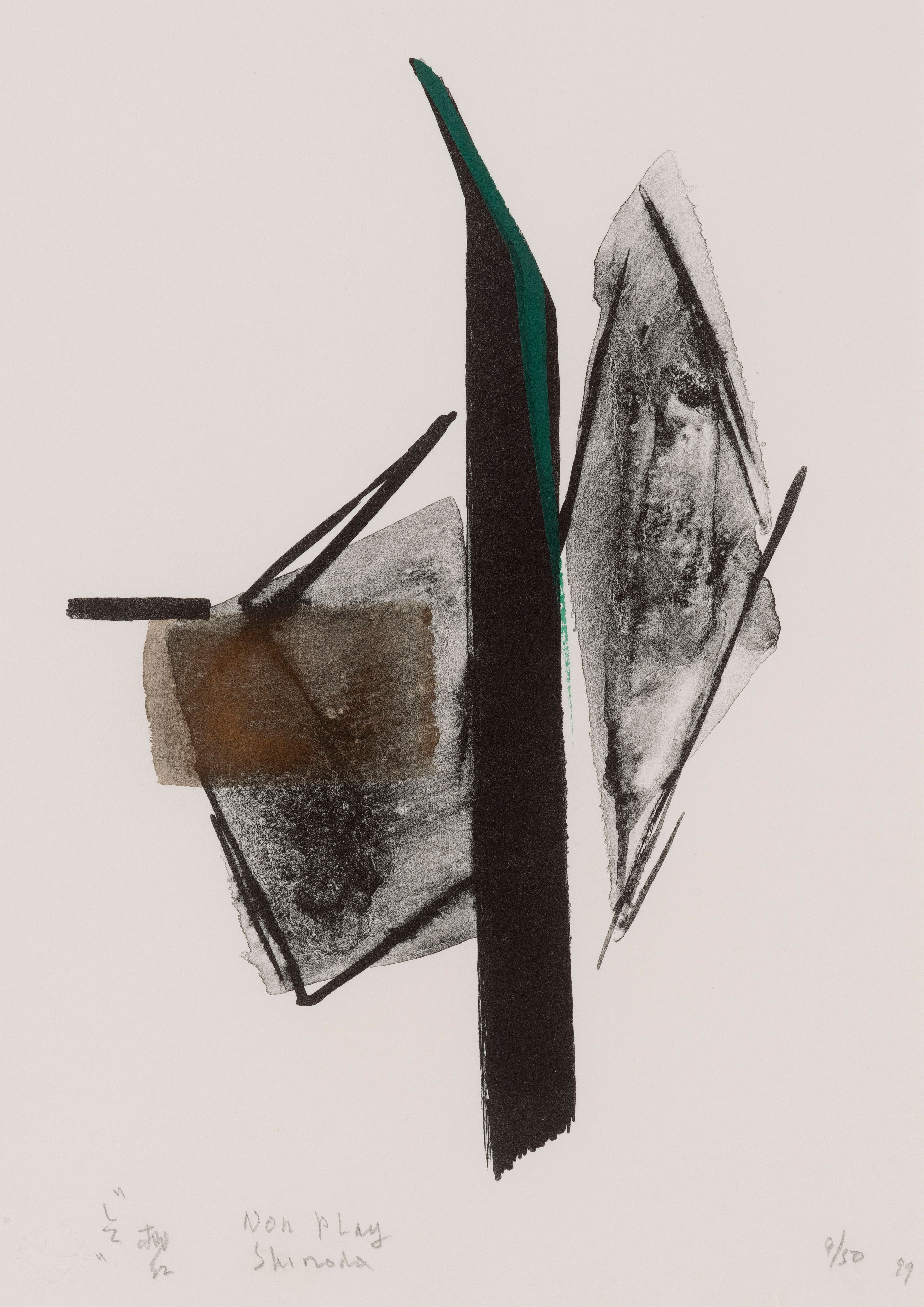
Noh Play “Shite” by Shinoda Toko


Work on paper by Suda Kokuta


Work on paper by Suda Kokuta


Untitled by Suda Kokuta


Untitled by Suda Kokuta


Work on paper by Suda Kokuta